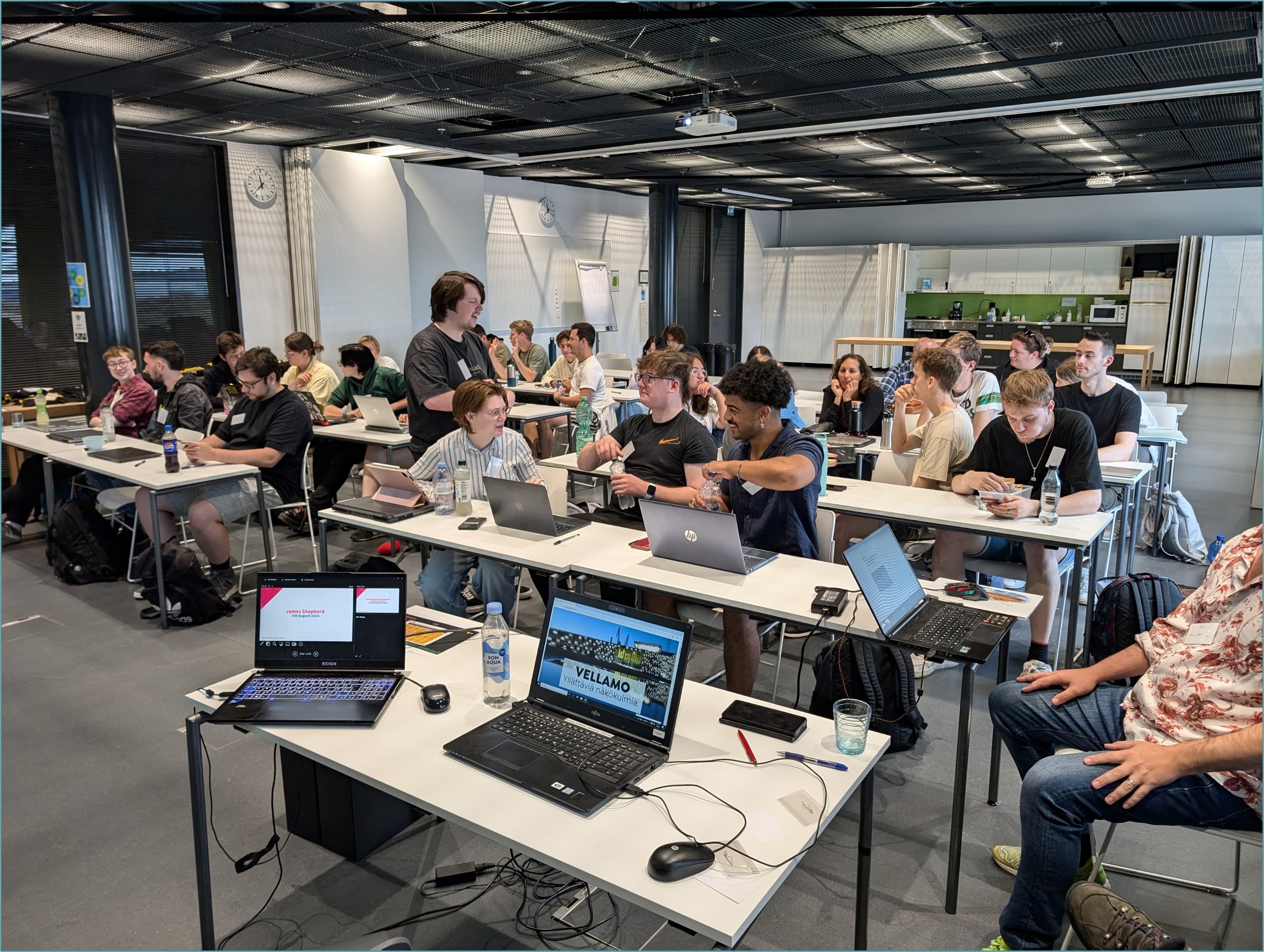


A quiet but significant shift is underway in global education. Universities that once reserved their classrooms exclusively for enrolled degree students are now opening short, credit-bearing courses to high schoolers. Some are delivered on campus over a summer, and others are delivered fully online.
For a Grade 9-12 student, this is not a minor enrichment opportunity. It is a genuine head start, and one that is becoming easier to access every year.
What is actually on offer
This is not the old summer camp model dressed up with a university's name on it. These are real academic credits, issued on official transcripts, that can often be transferred later toward an undergraduate degree.
US universities now run short residential courses where high schoolers can earn college credit. Northwestern's pre-college program lets students take credit courses taught by university-affiliated faculty. Berkeley College offers non-degree short-term enrollment where students earn university credit course by course.
Dual and concurrent enrollment partnerships are also growing. Some international schools partner directly with universities, letting students take college-level courses that appear on a college transcript while they are still finishing high school.
Europe has its own credit-bearing summer schools, including programs taught in English through institutions and university consortia. Other universities run leadership and exchange-style programs that combine academic credit with intensive skill-building.
The short-term payoff
The immediate benefits are tangible and start showing up almost as soon as the course ends.
Credits banked before college even begins can reduce the number of courses a student needs to pay for and sit through later. Across two or three short programs over the high school years, a student can walk into university with a genuine academic head start.
The transcript also speaks a university's own language. Admissions officers do not have to guess whether a student can handle college-level rigor. They can see it documented in credit hours and grades from a real university course.
These programs also provide a live trial run of an unfamiliar academic culture. For a student aiming at a US, UK, or European university, few things reduce uncertainty like submitting assignments to foreign professors and experiencing a foreign classroom before the stakes are as high as a full degree.
The long-term payoff
The advantages compound beyond the immediate transcript boost. Transferable credits can shorten total time-to-degree, which matters directly for tuition costs and can be meaningful for families managing the expense of international education.
Demonstrated readiness can also reduce first-year attrition risk. Universities increasingly value applicants who have already proven they can succeed in a college-level academic environment.
Early exposure sharpens major and career choice. A student who takes a real university-level economics, computer science, or design course at sixteen gets a more honest preview of the field than a brochure or career quiz can offer.
Studying alongside international peers and university faculty also builds cross-cultural fluency and a global academic network years ahead of schedule.
Why this window is opening now
Universities have their own incentives. Short, credit-bearing programs let institutions build relationships with talented students years before the admissions cycle, generate additional revenue during quieter summer terms, and compete for international student pipelines.
For students, that institutional appetite translates into more available seats, more flexible formats, and in some programs, meaningful scholarship support.
The practical takeaway
Not every short course is worth the investment, and due diligence matters. Families should confirm that a course is genuinely credit-bearing, check whether the credit is likely to transfer to the student's target universities, and be honest about visa, cost, and time-commitment realities before committing.
But the broader pattern is clear. The gap between high school and university is no longer a hard wall. It is becoming a bridge that ambitious students can start crossing years early.